Industry 02
Satellite & Aerospace
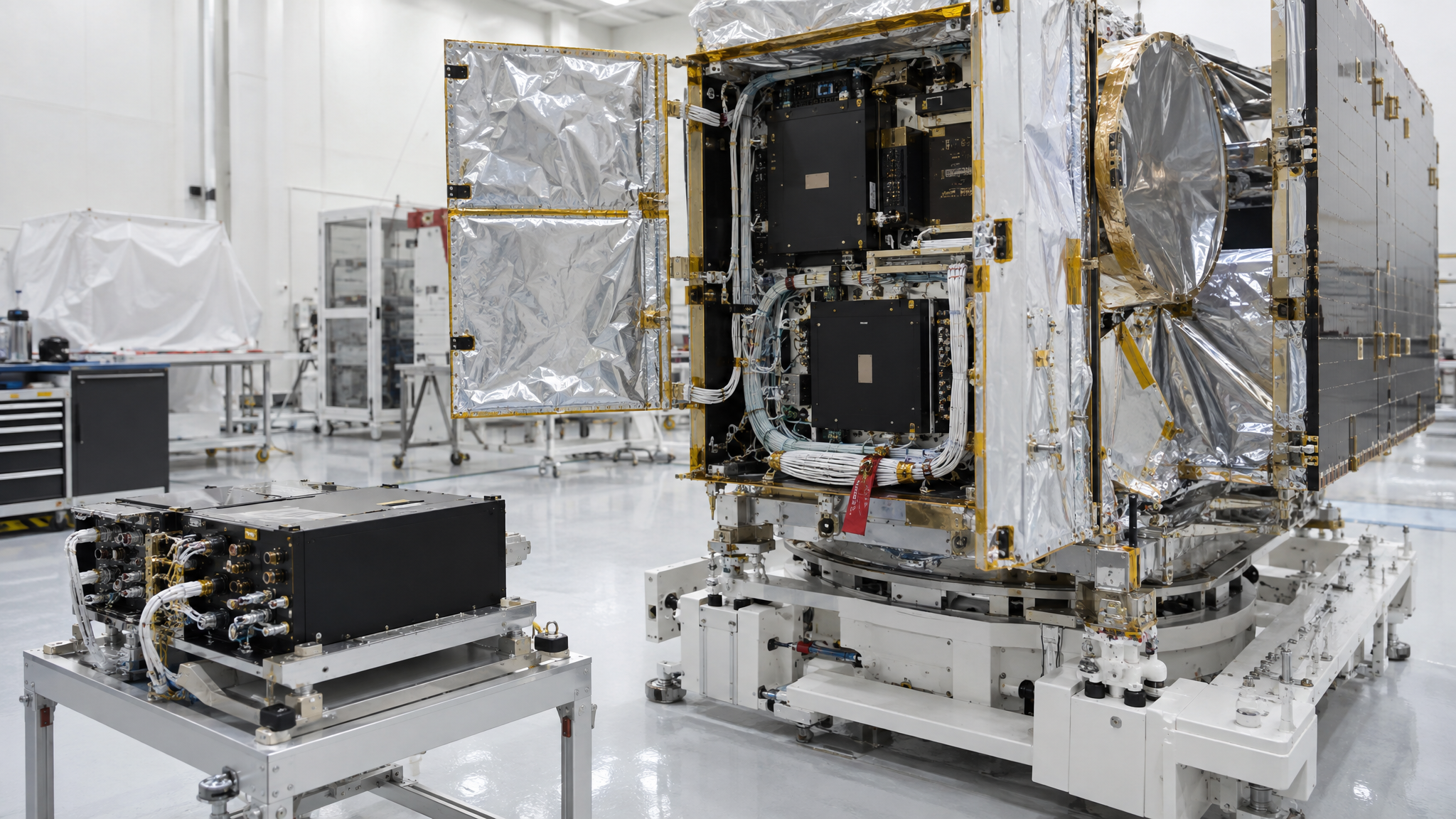
Once a spacecraft is launched, no one can return the flight unit for rework. SION responds by moving validation earlier — onto payload emulators, ground test benches and FPGA prototypes — so that the interfaces a mission depends on are exercised long before the integration cleanroom.
- Typical programs
- Payload electronics, avionics interface units, instrument control, ground support and integration benches
- What decides success
- Interface behaviour proven on the ground, under conditions the flight unit cannot be tested in after launch
The problem brought to us
The instrument does not exist yet, but the interface does
Payload electronics rarely arrive in the order the schedule would like. The spacecraft side is often ready before the instrument, or the instrument's interface is defined before its hardware exists. In both directions, the interface is the thing most likely to be wrong, and it is the thing that cannot be fixed after launch.
The practical answer is emulation: build a ground unit that behaves like the missing side of the link, and test the real side against it. That lets the spacecraft team validate their interface handling against a payload that is not yet built, and lets the payload team validate theirs against a spacecraft that is still being assembled.
The same logic applies to avionics interfaces and to the harness. A laced harness with correct bonding, shielding and strain relief is engineering work, not assembly work, and it is far easier to get right on a bench than in a cleanroom under schedule pressure.
What we do in this environment
From prototype to customer-defined qualification
01Payload electronics
Instrument control, data acquisition and formatting electronics, designed with the observability and recovery behaviour that a remote platform requires.
02FPGA prototyping
Implementing payload logic on FPGA first, so the algorithm and the interface can be proven on real hardware before a flight device is committed.
03Avionics interfaces
Interface units between instruments and the spacecraft bus, including protocol handling, timing budgets and the fault containment that keeps one unit's failure local.
04SpaceWire emulation
Ground-based payload emulation using the SpaceWire Payload Emulator, for interface validation, data replay and integration rehearsal.
05Ground test benches
Bench and ground support equipment that mirrors the flight interfaces, so integration rehearsal and anomaly investigation happen without touching flight hardware.
06Radiation assurance support
Radiation-hardening design input, and radiation test support as a separate activity — planned and scoped per program with the facility and criteria agreed in writing.
On radiation claims. This page describes support activities. SION does not publish radiation tolerance figures, and none should be inferred. Radiation-hardening design and radiation test support are distinct work packages; see Verification & Qualification for the distinction.
Program progression
How a spacecraft electronics program moves
The stages below are the usual path from a paper interface to a qualified unit. Each stage produces evidence the next one depends on, and the qualification approach is customer-defined — SION supports it rather than substituting its own.
- 01
Interface definition
The protocol, timing and physical layer agreed in writing between both sides of the link.
- 02
Bench validation
Both sides tested against emulation on a ground bench, before flight hardware exists.
- 03
Prototype electronics
Engineering model built, brought up and exercised against the emulated interface.
- 04
Integration rehearsal
Payload and bus side integrated on the ground, with anomalies resolved off the flight unit.
- 05
Customer-defined qualification
Environmental, reliability and, where specified, radiation testing to the program's criteria.
- 06
Delivery and support
As-built records, ground support equipment and support through the mission phase.
Relevant products
Platforms built for this workflow
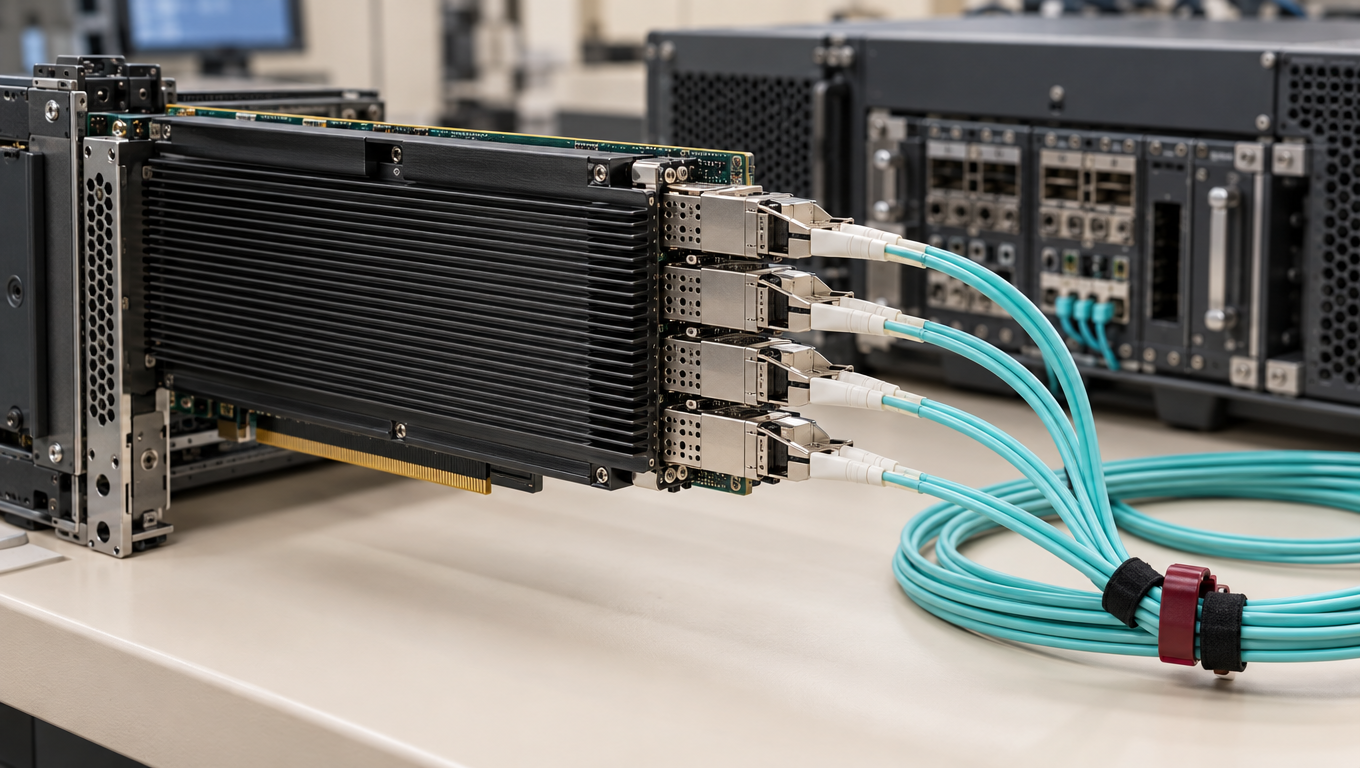
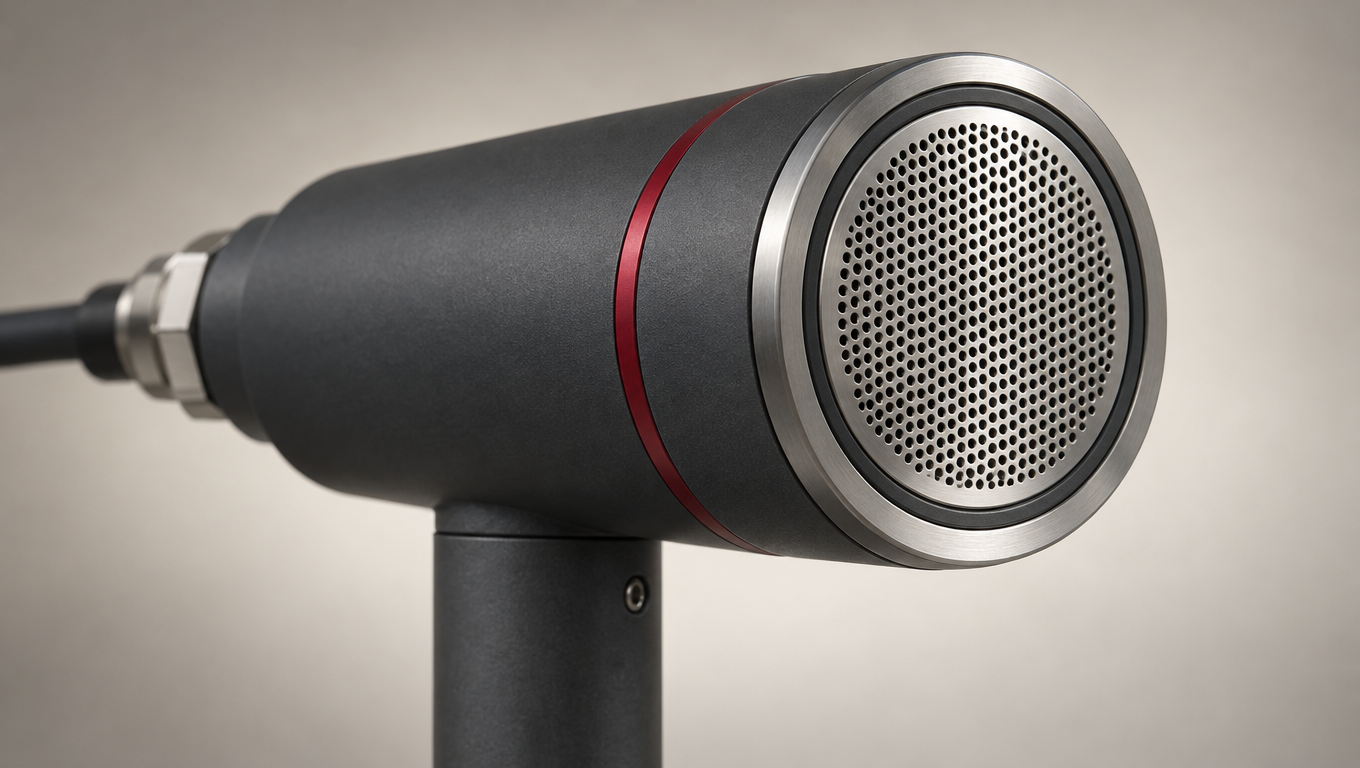
SION's SpaceWire Payload Emulator exists because this problem recurs on nearly every spacecraft program. Related validation hardware covers the high-speed data path.
Related capabilities
The capabilities this industry uses most
Design and build
Assurance and sustainment
Start a conversation
Tell us which side of the interface is missing and when the other side is expected. That determines whether emulation is the right first step.
Discuss a payload programProgram inquiry
Bring us your requirements.
If a payload interface needs to be exercised before the instrument is built, or a flight unit needs a ground bench that mirrors its real interfaces, start there.