Industry 01
Defense & Critical Infrastructure
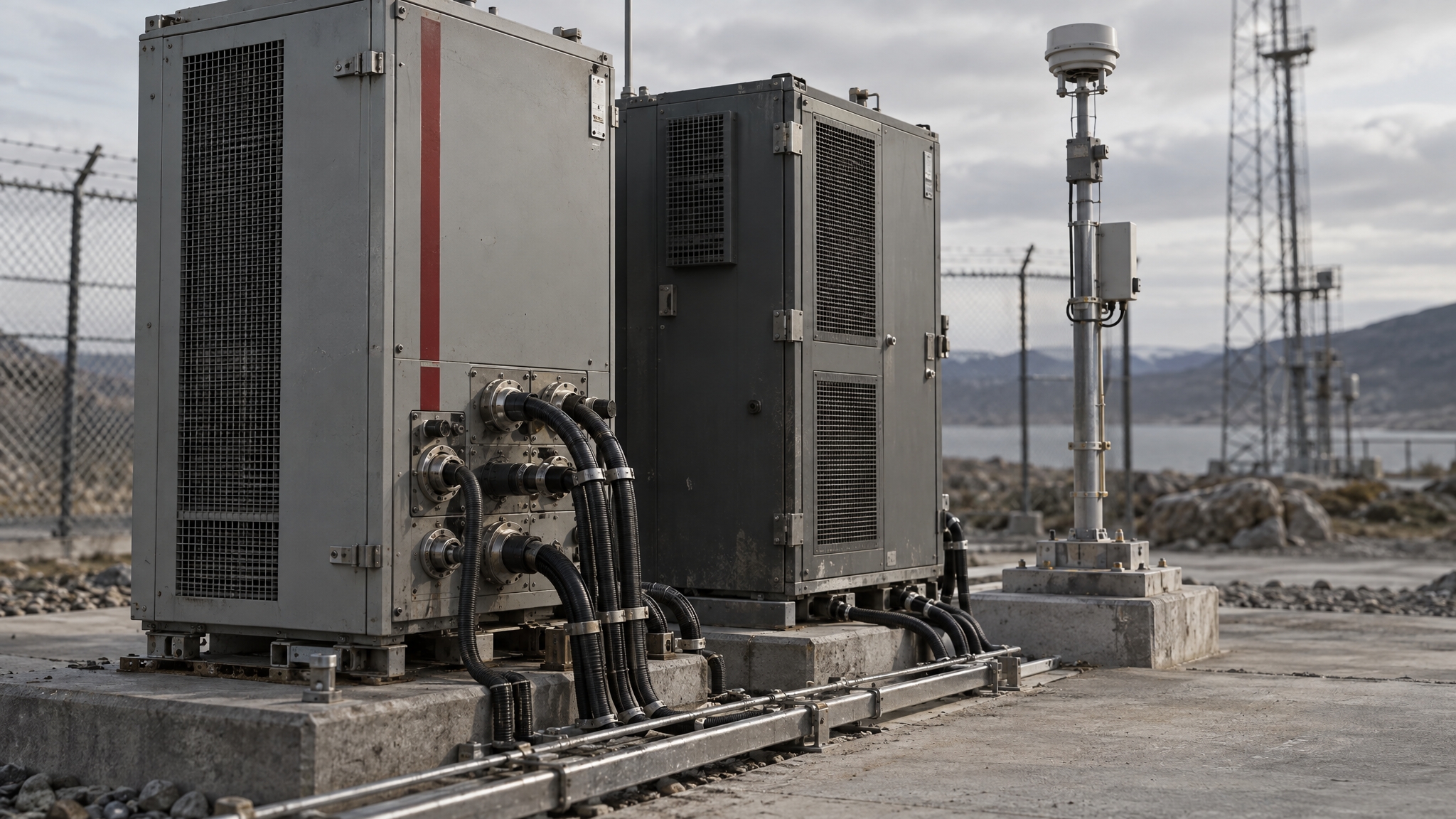
Electronics that go into a secured facility or a remote installation are expected to work for years without a technician on site. SION engineers for that expectation — rugged interfaces, conservative margins, observable faults and a maintenance plan that exists before the first unit ships.
- Typical programs
- Ground installations, sensing and monitoring electronics, ruggedised subsystems, infrastructure retrofits
- What decides success
- Not peak performance — reliability across temperature, vibration and long unattended life
The problem brought to us
The hardest requirement is usually not on the datasheet
A program lead rarely arrives with a performance problem. More often the situation is this: a system must operate in an enclosure with poor thermal headroom, on a power supply that is not as clean as the specification implies, connected to legacy equipment over an interface that predates the design team, in a location that takes two days to reach.
The engineering consequence is a design that has to fail gracefully and diagnostically. Rails need margin rather than adequacy. Connectors need to survive mating cycles by technicians who are not the people who designed them. Firmware needs to say which subsystem has degraded, not simply that something is wrong. And the spares position has to be decided while the parts are still in production.
SION works these questions during architecture, because most of them cannot be retrofitted. The deliverables page for System & Board Engineering describes how the BOM and layout decisions carry that intent; Verification & Qualification describes how the evidence is produced against the environment the program actually specifies.
What we do in this environment
Seven areas of work, from silicon through sustainment
01Mission-critical electronics
Subsystem design where functional failure is unacceptable: watchdog and recovery structures, redundant paths where the requirement justifies them, and deterministic behaviour under brownout and reset.
02Infrastructure monitoring
Sensing front ends, data acquisition and reporting chains for facilities and remote sites, designed around sensor behaviour in the real installation rather than the lab.
03Rugged interfaces
Connector and interface selection, protection against transients and miswiring, isolation where ground potential differs, and cabling that survives installation by a third party.
04Board design
Multilayer boards with thermal and mechanical margin, conformal coat and staking decisions, and test access designed in so production and field diagnosis remain possible.
05System integration
Integrating the electronics into the enclosure, the power system and the host network, including the interface adaptation that legacy equipment nearly always requires.
06Test readiness
Bench procedures, production test coverage and self-test design that let the hardware be proven before deployment, and diagnosed afterwards without a return to the factory.
07Maintenance and sustainment
Spares strategy, field-replaceable unit definition, repair procedures, obsolescence review and engineering change support across a service life measured in years.
08Qualification support
Program-specific test planning and execution support for environmental, EMC/EMI and reliability requirements, with standards and facility arrangements confirmed per program.
Relevant products
Where a product platform shortens the path
Not every program needs a custom design from a blank sheet. Where a platform already covers part of the requirement, SION scopes the integration around it rather than rebuilding it.
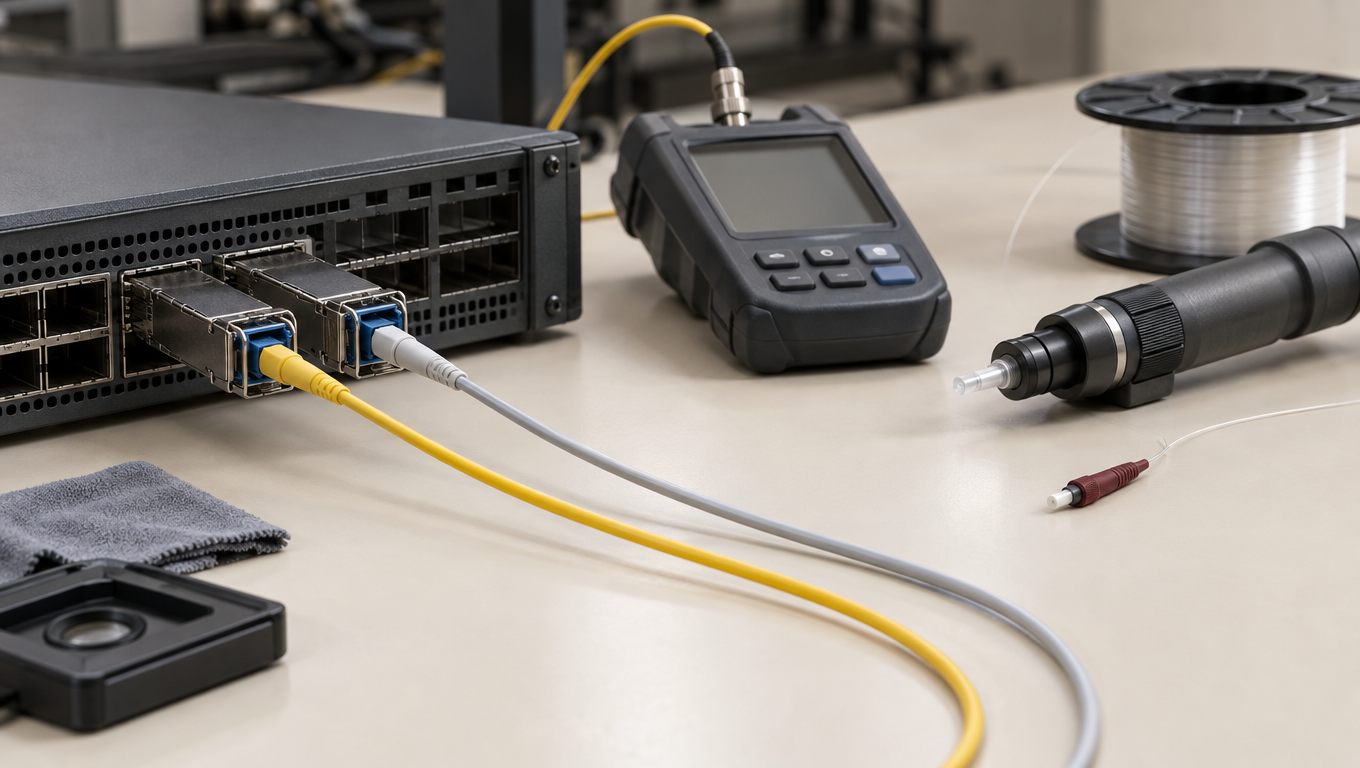
Advanced Counter-UAV System
Airspace awareness, detection and operator alerting for protected infrastructure, at a product-marketing level.
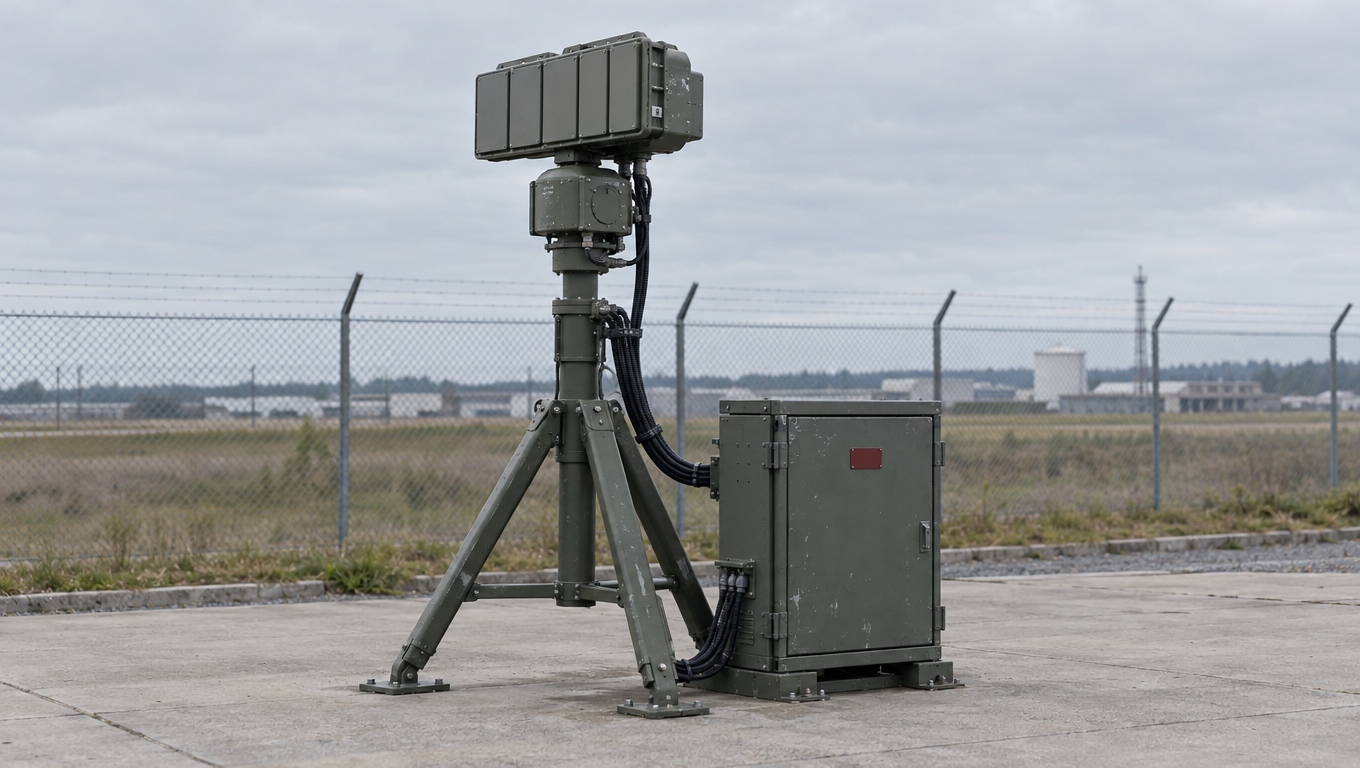
RF Radar System
Radar overview for site monitoring. Range figures are nominal and confirmed per site and installation.
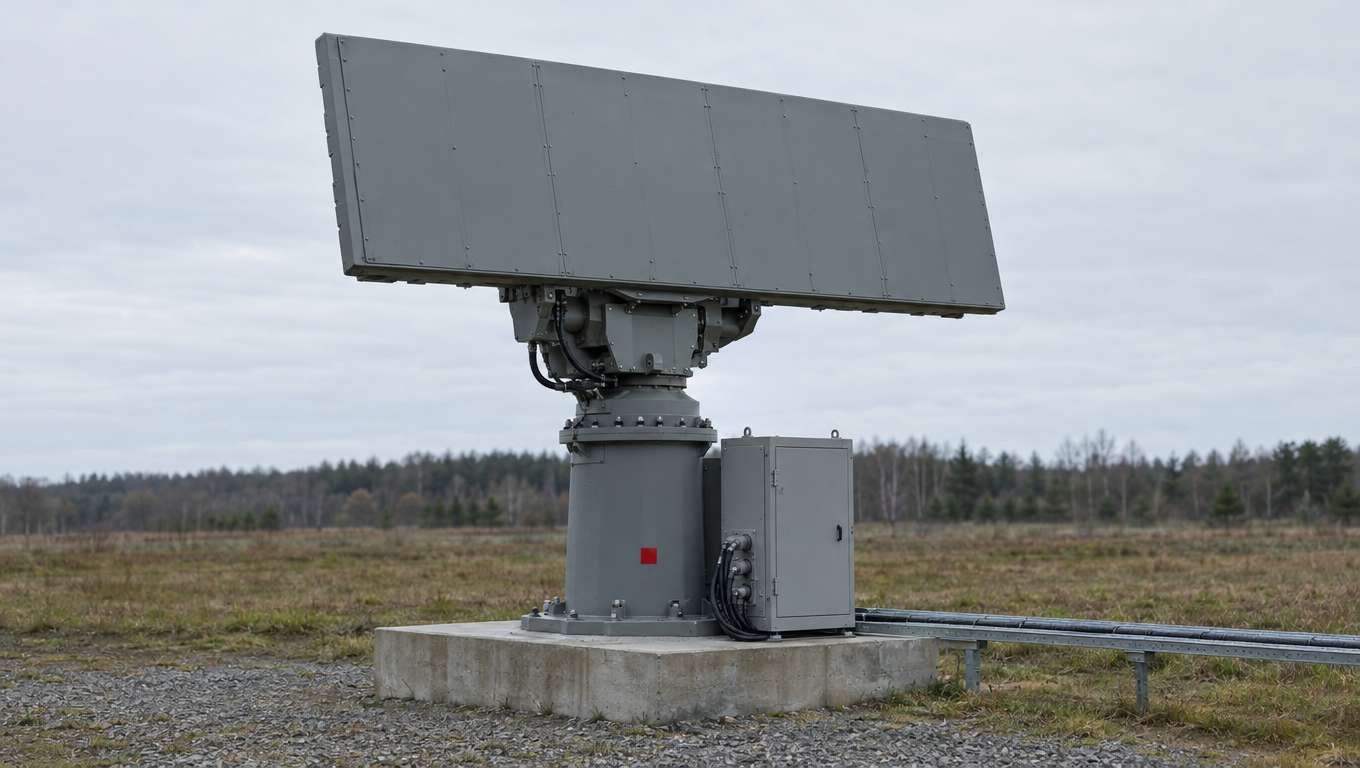
Acoustic Array Module
Acoustic sensing for environmental monitoring, integrable into a wider site-awareness platform.
Related capabilities
The capabilities this industry uses most
Design and build
Assurance and sustainment
Start a conversation
Describe the installation, the environment and the maintenance model. That is usually enough to scope the first phase.
Discuss a defense programProgram inquiry
Bring us your requirements.
If you are working to a reliability, environmental or maintenance requirement that current hardware does not meet, start there and we will scope the engineering path.