Discipline 02
Digital
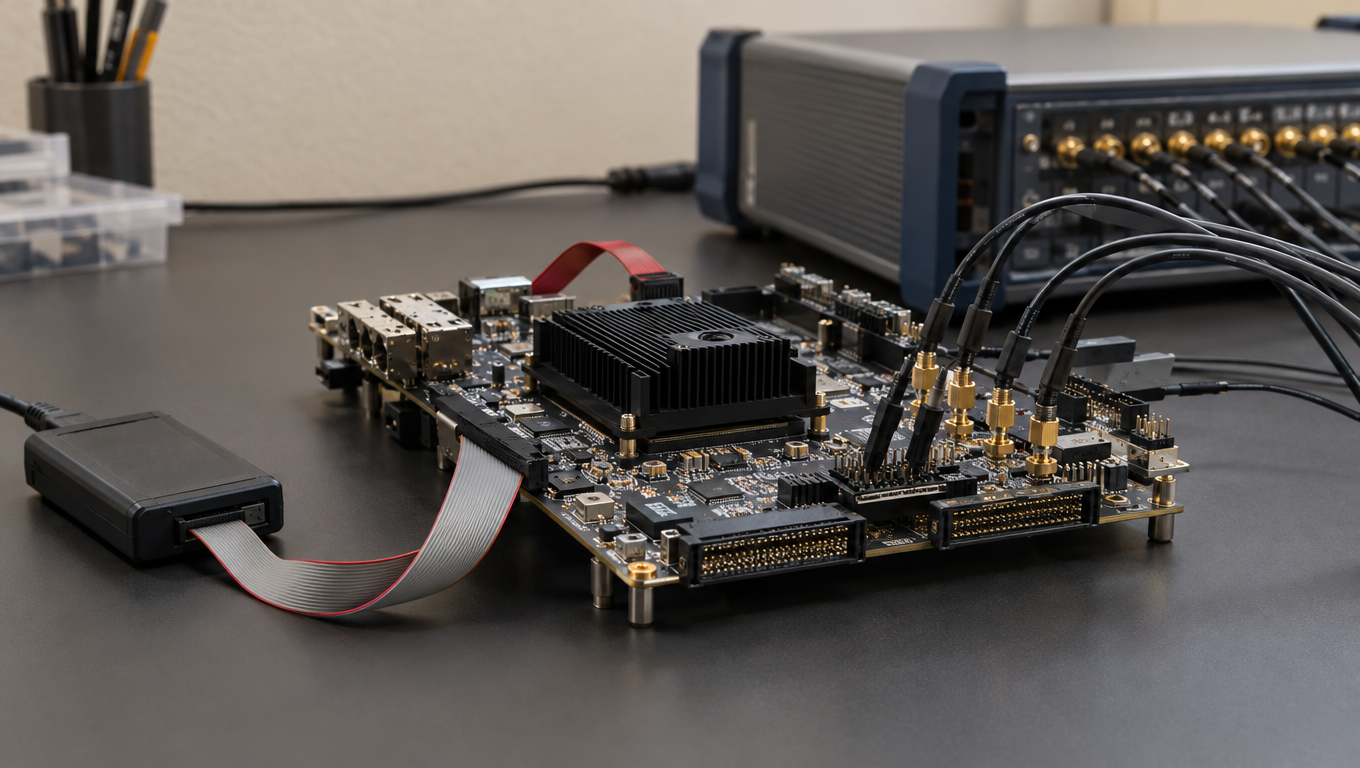
Digital logic, FPGA, SoC integration and high-speed digital interfaces. The discipline's central problem is not writing logic — it is being able to see what the logic is doing when it runs at rate, on real hardware, with real traffic.
- Scope
- RTL, FPGA and SoC implementation, interface bring-up, high-speed link characterisation, on-chip observability
- Characterised by
- Protocol-level and physical-level measurement on a live bench, not simulation alone
What this covers
Making the design observable before making it fast
A high-speed digital interface has a narrow window in which it works, and a wide range of ways to fail. Link training may complete but be marginal. A protocol may be conformant at the packet level while the physical layer is running out of margin. An error may appear only after hours of load, or only when the device next to it is transmitting.
SION designs for observability first. That means error counters that are readable, capture paths that can be triggered on an event, and test registers that let a bench script assert on internal state rather than inferring it from external behaviour. Without those, diagnosing a marginal link becomes an exercise in guesswork with a very expensive oscilloscope.
FPGA implementation is used deliberately. Where a program needs working hardware quickly, the logic runs on an FPGA and is validated against real interfaces; where a custom device follows, the same RTL and the same testbench are the starting point, so validation evidence carries forward instead of being repeated.
01RTL and implementation
Structured RTL to a documented standard, with clock domain crossing handled explicitly and timing constraints written to match the intended behaviour.
02FPGA prototyping
Device and pinout selection coordinated with board design, build automation, and a reproducible bitstream from the delivered scripts.
03SoC integration
Processor subsystem, interconnect, memory and peripherals integrated with the logic, and the software interface documented alongside it.
04High-speed interfaces
SerDes and parallel link bring-up, equalisation and eye characterisation, protocol conformance, and error-rate monitoring under sustained load.
05On-chip observability
Embedded logic analysis, event-triggered capture, error counters and health registers — designed in so that a fault in the field is diagnosable.
06Verification
Constrained-random and directed testbenches traced to requirements, coverage closure, and formal checks for properties that are cheaper to prove than to simulate.
Typical failure modes
Where digital designs are usually lost
Clock domain crossings
Metastability that appears rarely and cannot be reproduced on demand. Addressed structurally with synchronisers and, where the property matters, formally verified.
Marginal link margin
A link that trains and passes traffic but has almost no eye margin left. Found by measuring margin deliberately rather than waiting for it to fail in the field.
Constraint gaps
Timing that closes because the constraints did not describe the real clock relationship. Caught by reviewing constraints against the architecture, not against the tool's output.
Unobservable faults
Error conditions that exist in the logic but are never reported. Caught at design review, and by requiring a diagnostic path for each failure mode the design claims to detect.
Digital in production
Validation hardware built on this discipline
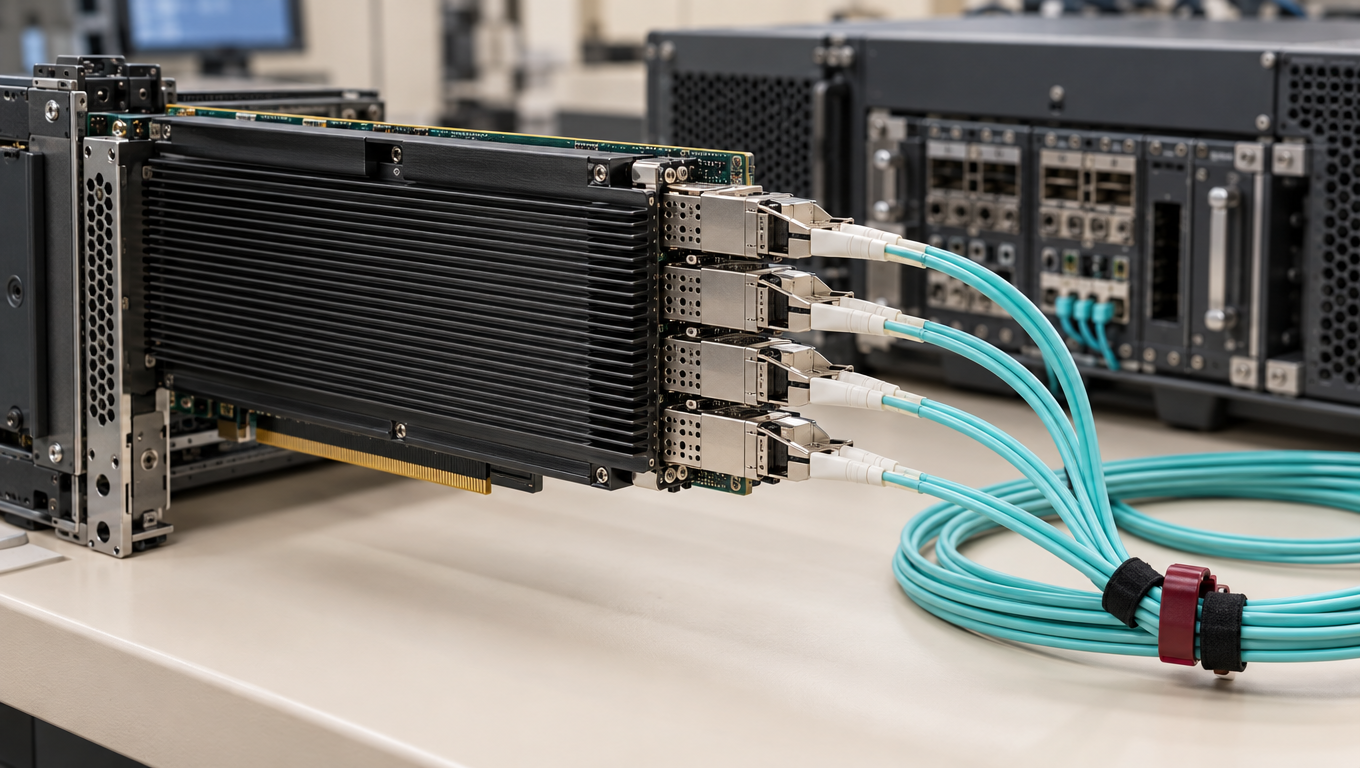
SION's own validation products are FPGA-based, which means the same observability and error-reporting approach used for customers is what these products expose to their users.
Where this connects
Related disciplines and capabilities
Adjacent disciplines
Program inquiry
Bring us your requirements.
If an interface is marginal, a link is failing intermittently, or a design needs observability before it goes further, describe the symptom and the setup.